


9 VR Photo Booth Ideas for Brand Activations That Increase Engagement and Recall
If you're in the marketing industry or a tech-focused brand leader, this guide outlines practical VR booth ideas that support immersive brand experiences and measurable engagement. It focuses on how virtual reality photo booths function in live environments and how they align with event strategy, lead generation, and brand recall.
Imagine inviting potential customers not just to view your products, but to step inside them, explore them from every angle, and interact within a virtual environment. With VR booth solutions, that vision becomes actionable, transforming standard event setups into interactive brand spaces.
This guide explains how VR booth experiences work, where they fit in event strategy, and how to execute them effectively. It is designed for event planners and brand agencies looking to deploy VR activations that deliver both experience and data.

What Are VR Photo Booth Ideas and How Do They Work?
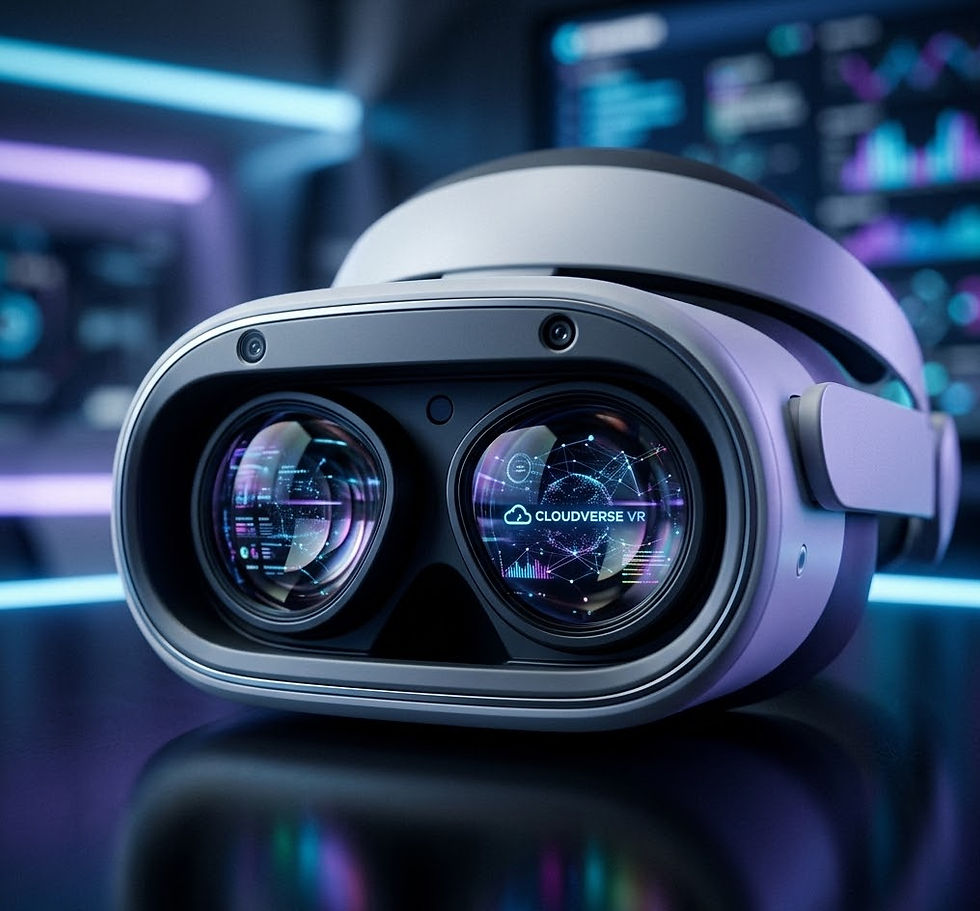
VR photo booth ideas refer to interactive event activations that combine virtual reality environments with photo or video capture. Unlike traditional booths, these setups use VR headsets, motion tracking, and digital environments to place users inside branded scenarios.
Participants enter a virtual scene while their actions are captured as images or videos. These outputs are processed in real time and shared digitally, often branded and optimized for social distribution.
A typical setup includes:
VR headset and sensors
Interactive environment or simulation
Capture system for photo or video output
Sharing station or automated distribution
The result is both an experience and a shareable asset tied directly to brand messaging.

How VR Photo Booth Ideas Enhance Brand Storytelling
With virtual reality photo booths at the forefront of event technology, it is important to understand how they support brand communication.
Immersive Storytelling
VR photo booths enable brands to present narratives in a controlled environment. Instead of explaining a concept, brands can simulate it. Users move through a story rather than observe it.
This approach improves message retention and allows complex ideas to be simplified through experience.
Greater Interactivity
The use of motion sensors and VR controls allows attendees to interact with the environment. This interaction creates a feedback loop where users stay engaged longer.
Instead of a one-step photo capture, users participate in an activity that becomes the content itself.
Social Sharing Integration
VR outputs can be converted into short videos or images formatted for social platforms. These are distributed instantly via email, QR, or direct upload.
User-generated content extends the reach of the activation beyond the event floor.
Customization and Co-Branding
Virtual environments can be fully branded. Logos, product visuals, and messaging can be embedded into the experience.
This allows consistent branding across multiple touchpoints and supports co-branded events with sponsors.
Where to Use VR Photo Booth Ideas in Events and Campaigns
VR photo booth ideas can be applied across multiple industries and formats. The key is aligning the experience with audience intent.
Corporate Events and Trade Shows
Use VR to attract attention in competitive environments. Booth traffic increases when there is a visible interactive element.
VR also helps communicate complex products in a simplified format.
Product Launches and Marketing Campaigns
Virtual environments allow guests to explore products that are not physically available or are difficult to demonstrate.
This is especially effective for tech, automotive, and real estate industries.
Conferences and Networking Events
VR activations provide structured engagement during breaks. They also create natural conversation points among attendees.
Celebratory Events and Brand Experiences
For lifestyle brands, VR adds a layer of entertainment while still delivering branded content. It creates memorable moments tied to the event theme.
How to Integrate VR Photo Booth Ideas Into Event Strategy
Effective integration requires planning beyond the technology itself. The VR experience must support the event’s objectives.
Align With Event Goals
Define whether the goal is lead generation, awareness, or engagement. The VR experience should reflect that goal.
For example, a lead-focused activation should include data capture within the experience flow.
Select Relevant VR Content
The environment should match the brand message. Irrelevant or generic VR content reduces impact.
Custom-built environments perform better in B2B activations because they directly reflect the brand.
Train Event Staff
Staff should understand both the technical setup and the user flow. This ensures smooth participation and reduces friction.
Guided experiences also increase completion rates.
Encourage Social Sharing
Use pre-designed templates and event hashtags. Make sharing part of the experience, not an afterthought.
Incentives can also increase participation rates.
What to Consider When Choosing a VR Photo Booth Vendor
Selecting the right vendor affects both execution and results. VR setups require technical reliability and event experience.
Assess Event Requirements
Consider space, audience size, and technical needs. Not all VR setups are suitable for high-traffic environments.
Compare Vendor Capabilities
Look at previous activations, customization options, and support services. Pricing should align with deliverables, not just equipment.
Request a Demo or Case Study
A demo provides clarity on user experience and output quality. Case studies help evaluate real-world performance.
Confirm Onsite Support
Onsite technical support is essential. VR systems require monitoring to ensure consistent operation during the event.
VR Photo Booth Ideas vs Traditional Photo Booths
VR photo booth ideas differ significantly from traditional booths in both function and outcome.
Feature | Traditional Booth | VR Photo Booth |
Interaction | Limited | High |
Content Type | Static images | Immersive video and images |
Engagement Time | Short | Extended |
Brand Integration | Surface-level | Fully embedded |
Data Capture | Basic | Advanced |
This comparison highlights why VR is being adopted in high-impact brand activations.
The Role of VR Photo Booth Ideas in Modern Event Marketing
VR photo booths are part of a broader shift toward experience-driven marketing.
They support:
Data-driven engagement
Content generation at scale
Multi-channel brand visibility
Measurable ROI from live events
As events become more competitive, static setups are less effective. Interactive technology like VR helps brands stand out while collecting valuable insights.
Future Trends in VR Photo Booth Ideas for Events
The use of VR in events continues to evolve with advancements in hardware and software.
Key trends include:
Integration with AI for personalized experiences
Real-time analytics dashboards during events
Hybrid event compatibility with virtual attendees
Lighter, more portable VR systems for faster setup
These trends indicate that VR photo booth ideas will continue to expand in both capability and accessibility.


Comments