


Are Headshot Booths Worth It for Corporate Events?
Rethinking the “Boring” Booth: Why Headshots Matter Now
Corporate event entertainment is changing. Brands still want energy and fun, but there is growing pressure to deliver experiences that feel useful, professional, and worth the time people spend away from their work. That is why headshot booths keep popping up on conference floor plans and run-of-show documents.
The big question we hear as an experiential team at DMA Events in Toronto is simple and honest: is a headshot booth actually worth it, or will people just walk past? Today, headshot booth is not a lonely camera on a tripod. It is a streamlined, branded experience with pro lighting, a photographer who gives easy direction, live previews, and instant digital delivery. In this article, we will tackle the Reddit-style questions directly: are headshot booths worth it or not, do people really line up, what actually drives usage, and how do you think about headshot booth ROI at events compared with other corporate event entertainment.
Do People Actually Use Headshot Booths at Events?
Yes, people use them, but usage follows patterns. At most events, the busiest moments are when attendees already have time to linger. That usually means right after registration opens, during coffee breaks, lunch, or the reception and cocktail hour. When the booth is in the right place, “busy” typically looks like a steady queue, with a short wait and a constant rotation of guests stepping in, checking their preview, and heading out.
Placement has a huge impact on whether people line up. A headshot booth tucked away in a back corner will feel forgotten. One in a visible, high-traffic zone feels like part of the event’s heartbeat, especially when it has:
Clear signage that actually says “Free professional headshot”
Mentions from the MC or host at the start and before breaks
A line of people already getting great photos, which triggers FOMO
So why do some guests still skip it? Common reasons include not loving how they look that day, assuming headshots are only for executives, worrying it will take too long, or simply rushing to the next session. Those are human factors, not a sign the activation does not work.
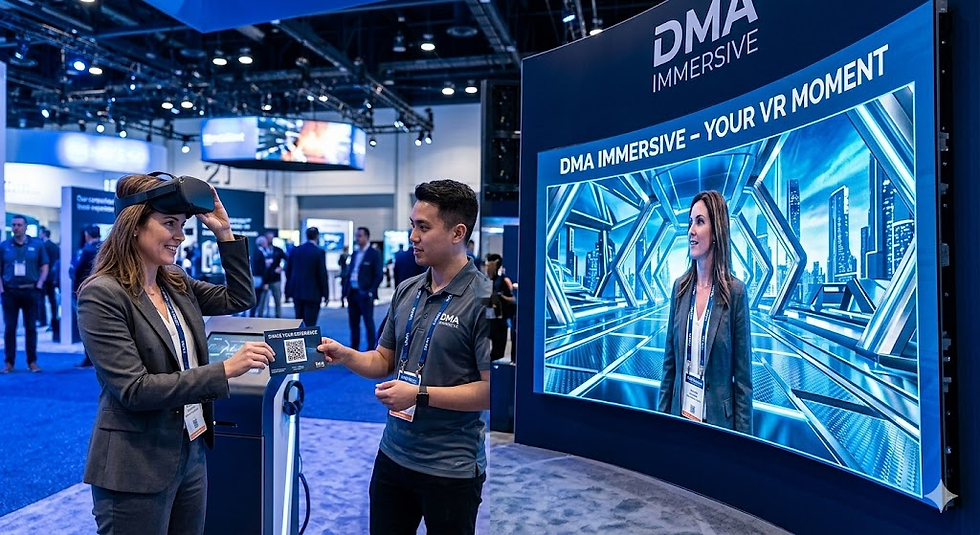
Compared with other forms of corporate event entertainment, such as classic photo booths or VR games, engagement looks different. VR can pull people in for longer sessions, but it is mostly about play. Standard photo booths generate quick fun and group shots. Headshot booths sit in the middle: the dwell time per person is short, but the perceived value is higher because attendees walk away with something they can use across LinkedIn, email signatures, and internal profiles.
What Drives High Headshot Booth Usage?
High usage starts long before anyone steps in front of the camera. When headshots are included clearly in pre-event communication, interest jumps. If attendees know “Your registration includes a free professional LinkedIn photo,” they arrive expecting to fit it into their day. Promoting the booth in the event app, agenda, and push notifications keeps it top of mind once people are on site.
On-site experience design is just as important. A headshot station that feels intimidating or confusing will sit empty, even if the photos are beautiful. The best setups usually include:
A friendly, efficient photographer who can give simple pose tips
A clear queue system so people know where to stand and how long it might take
Live image preview so guests can pick their favourite on the spot
Simple digital delivery through QR code, email, or text
Light coaching is a quiet secret weapon. Short, reassuring direction like “chin slightly forward, small smile” or “let’s try one serious and one relaxed” helps people feel looked after, instead of exposed.
Incentives and hooks can also push usage higher. Event teams sometimes tie headshots to a theme of personal branding or career development, or run a fun contest such as “New headshot, new opportunity,” where everyone who participates can opt in to receive follow-up resources. When the booth is sponsored, branding should feel integrated, not slapped on. Digital galleries, branded backdrops, and on-screen logos can turn the booth into a high-traffic touchpoint, rather than a side attraction, which makes both planners and sponsors happier.
Calculating Headshot Booth ROI at Events
So how do you think about headshot booth ROI at events in a practical way? Start with some basic hard metrics:
Number of headshots captured
Percentage of total attendees who participated
Cost per participant
Cost per lead if there is any kind of opt-in or data capture
This lets you compare the activation directly with other corporate event entertainment. If a portion of participants opt in to share their details for follow-up, you can treat those as warm leads tied to a positive, personal interaction.
The soft ROI is less obvious but can be just as powerful. Attendees tend to remember getting something they can use in their professional lives. A strong headshot can change how they feel about their LinkedIn or company profile, and that good feeling is associated with your event. It can also support higher satisfaction scores, because guests feel the agenda respected their time and professional goals.
For sponsors, the ROI equation is slightly different. A branded gallery or delivery email gives ongoing impressions every time someone downloads or uses their new photo. If the sponsor is tied to a theme like career growth, recruitment, or leadership, the alignment feels natural. When you compare this to a live band or casino tables, which are fun in the moment but do not carry forward, the long-tail value of a headshot booth becomes easier to see.
When a Headshot Booth Is Worth It (and When It’s Not)
Headshot booths are a strong fit for events where attendees care about their professional presence and expect some level of personal development. That includes conferences, trade shows, sales kickoffs, leadership summits, and recruiting or networking events. When the agenda leans into career growth or branding, a headshot station feels like a natural extension of the content.
There are also times when a headshot booth may not earn its keep. If the event is ultra-casual, social only, or built around activities that do not involve professional profiles, interest may be lower. Very short programs, with no real breaks or networking windows, can also limit usage, because people simply do not have enough time. Audiences that are not active on LinkedIn or online profiles may not see the point, and in those cases pure entertainment options might be a better fit.
Budget and space matter too. You can right-size a headshot activation by choosing a half-day rather than full-day schedule, or by adding a second station only when attendee volume truly calls for it. Often, a hybrid approach works best. Pair a headshot booth with another interactive element, like a creative photo experience or tech-driven game, so guests can move between “practical value” and “pure fun” throughout the event.
Turning Headshots Into a Signature Event Experience
When we step back from the details, the answer is clear: a headshot booth is usually worth it when it is well promoted, well placed, and aligned with what your audience actually cares about. People do line up when they understand that they are getting a free professional asset that can improve their online presence, and when the experience feels premium, fast, and easy.
The more useful way to frame the decision is not “will people use it?” but “how do we design it so people cannot wait to use it, and so sponsors see clear value too?” With the right experiential design, a tech-driven, branded headshot booth can sit at the centre of your corporate event entertainment, delivering both a memorable on-site moment and lasting professional value long after the lights come up.
Elevate Your Next Event With Engaging, Guest-Driven Experiences
If you are ready to turn your next gathering into a memorable experience, DMA Events is here to help with tailored corporate event entertainment solutions that fit your goals, venue and budget. We work closely with you to design interactive moments that keep guests engaged and talking long after the event ends. Share a few details about your upcoming event and we will recommend options that make sense for your audience. To start planning, simply contact us and we will follow up with ideas and next steps.


Comments