


How to Get Festival Crowds to Stop and Engage
Turn Relentless Foot Traffic Into Real Engagement
Festival sponsorship looks great on a deck, but on the ground it can feel like a blur. People are power-walking past, phones out, sunglasses on, scanning for the next stage or snack. Traditional booths, banners, and street teams barely register. Brands invest serious budget to be there, then watch everyone cruise by without stopping.
If you’re honest, Reddit-style question is, “People are moving fast, not stopping, attention is short, what actually works?”, the answer starts with how you design experiential marketing activations. At DMA Events, our focus is on creating tech-driven brand experiences that act like speed bumps in the flow of traffic. The goal is simple: interrupt auto-pilot, give people a reason to stop, and turn that tiny pause into content, data, and real connection.
Without a thoughtful festival engagement strategy, sponsorship dollars disappear into the noise. With the right mix of curiosity, FOMO, and instant rewards, your space can flip from a passive backdrop to an active destination that crowds seek out and share.
Understand How Festival Crowds Actually Behave
If we want people to stop, we have to be honest about how they move. Most festival-goers are destination-focused. They are heading to a stage, a meet-up spot, the washroom, or food. They follow the herd, avoid anything that looks like a hard sell, and absolutely do not want to stand around decoding complex instructions.
This is where the two-second test matters. In the first two seconds, someone sees your setup, they decide whether to keep walking or give you a sliver of attention. They are not reading your key message hierarchy. They are glancing at colours, movement, people’s reactions, and one obvious payoff.
On top of that, there is full sensory overload. Loud music, competing LED walls, food smells, heat or rain, crowded walkways, and constant notifications all chip away at attention. That means your message has to be:
Visually simple enough to grasp at a glance
Emotionally clear enough to feel worth a pause
Logistically easy enough to join without thinking
There is also a gap between what brands want and what people can handle in that moment. Brands want to tell deep stories and show feature lists. Crowds can handle a single clear promise: do this, get that. The trick is to design for micro-moments first. Hook them with a tiny, low-effort interaction, then offer deeper experiential marketing activations for those who choose to stick around.
Design a Festival Engagement Strategy That Stops People Fast
The smartest festival engagement strategy starts with where you are, not just what you build. We look for places where people naturally slow down: choke points, line-ups, entrances, exits, or transitions between stages. Putting your experience in a high-speed corridor is like putting a pop-up shop on a highway.
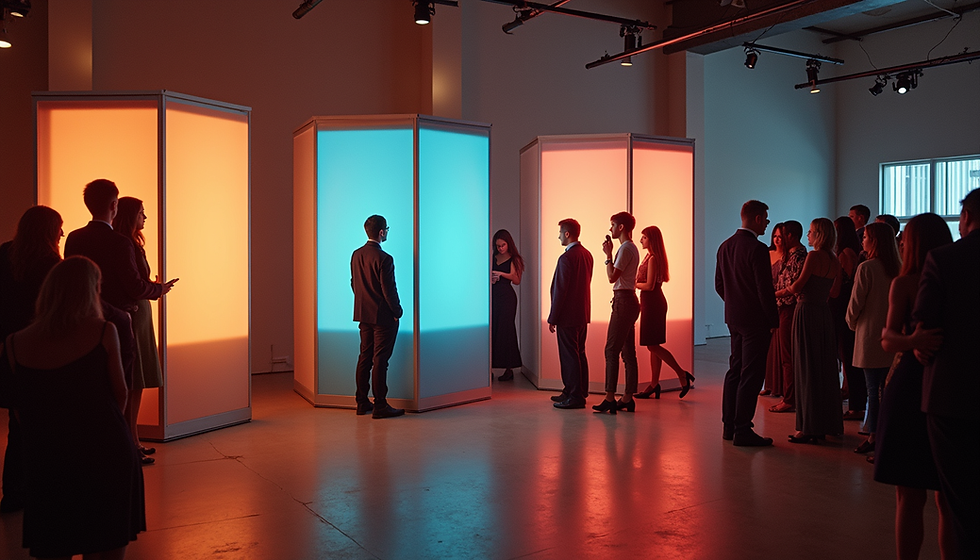
Once placement is right, you need strong visual hooks. From 10 to 20 metres away, someone should be able to decode what is happening and why it might be fun. That often means:
One big, bold visual idea rather than a collage of brand messages
Movement, like dynamic screens, kinetic elements, or live performers
Clear sightlines so curious people can actually see the action
Messaging needs to be ruthlessly simple. Think “Free Slow-Mo Video,” “Win an Upgrade in 30 Seconds,” or “Cool Down Here,” printed big on the structure. Long brand copy can live later in the experience.
Then there is social FOMO. If people see a visible line, hear cheering, or notice content replaying on screens, they instinctively peek over. Showing real people doing something fun right now sends a powerful signal that it is worth a detour. This is how experiential marketing activations interrupt auto-pilot behaviour and give people a concrete reason to veer off their path.
Build Activations for People Who Do Not Want to Think
At festivals, nobody wants to feel dumb, trapped, or confused. Your activation should make sense even if someone is tired, distracted, or a bit sunburned. Zero-friction participation is the goal.
Instead of long instructions, think in big, obvious prompts like:
“Tap to Start”
“Pose Here”
“Step on the Circle”
“Scan to Play”
The core activity should take 30 to 90 seconds for a casual passerby. That might be a quick AR face filter, a spin-to-win game, a slow-motion video capture, or a reactive projection that lights up when they move. For people who are into it, you can build optional deeper layers: extra scenes, more content options, or a longer brand story.
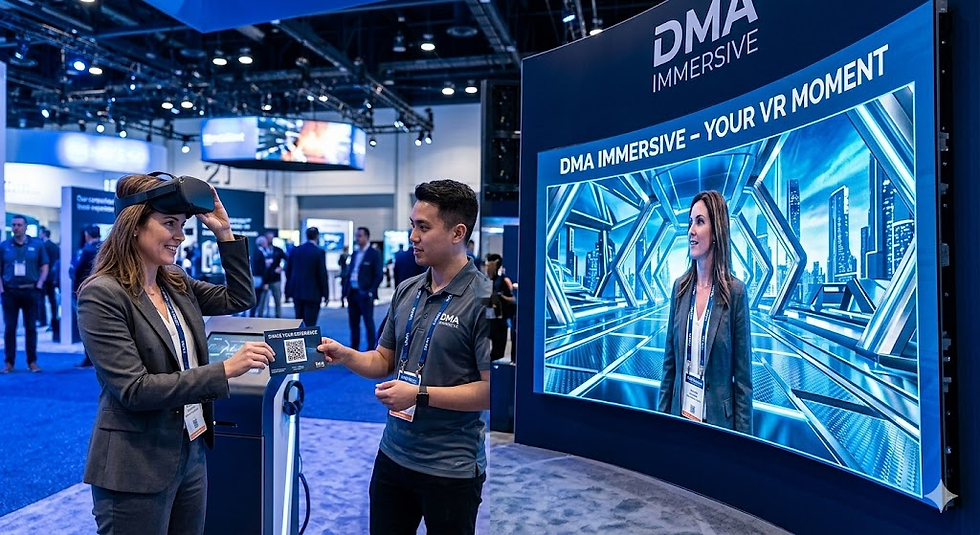
Technology is there to remove effort, not add it. Simple QR codes can trigger experiences on their phones. Contactless data capture can keep forms to a few taps. Automated content delivery means they participate, then receive photos or clips without waiting around. A strong festival engagement strategy often tiers the experience:
A “peek and tap” moment for people flying by
A short, satisfying activity for those who pause
A more detailed, story-driven path for people who stay
This way you respect everyone’s energy level while still giving your brand room to breathe.
Use Instant Rewards and Content to Keep Them There
Stopping someone is the hard part. Keeping them for an extra minute or two is where value builds. Instant rewards make that extra minute feel like a win, not a cost.
Fast rewards could include:
Branded swag that is actually useful on-site
Drink or food vouchers
VIP upgrades or access to a shaded viewing area
Contest entries that are confirmed on the spot
Crucially, rewards connect neatly to data capture. A short email or SMS opt-in, a quick social follow, or a simple survey can feel like a fair trade for something tangible. Forms work best when they stay under a handful of fields, especially in a festival context.
Shareable content is its own reward. Slow-motion videos, boomerangs, multi-cam clips, green screen scenes, and group photos all give people something fun to post. When your branding is baked into that content, your reach jumps from the festival grounds into their wider networks.
Live displays amplify the effect. Social walls that show tagged posts, live leaderboards for games, or playback screens looping fresh captures create a loop of attention: people see others featured, feel the tug of FOMO, and decide to participate. Behind the scenes, you can track scans, plays, captures, shares, and dwell time to prove the festival engagement strategy is working and to refine it next time.
Turn Walk-by Traffic Into Brand Fans
If we bring it back to the core Reddit-style question, the answer is blunt. When people are moving fast, not stopping, and attention is tiny, the only things that work are experiences that are ultra-visible, frictionless, and instantly rewarding.
The framework is straightforward: understand how crowds really behave, place your experiences where people naturally slow down, hook attention within two seconds, minimise thinking, and offer immediate payoffs plus shareable content. Instead of treating your presence as a static booth with banners and brochures, treat it as a living hub that changes as people interact with it.
At DMA Events in Toronto, we focus on technology-driven experiential marketing activations that stop crowds, spark participation, and turn a forgettable walk-by into a moment people remember, share, and associate with your brand long after the music stops.
Get Started With Your Project Today
If you are ready to turn your next event into a memorable brand experience, our team at DMA Events is here to help. Explore our experiential marketing activations to see how we can tailor a solution to your goals, audience and budget. We will collaborate with you from concept to execution so every detail feels intentional and on-brand. Have questions or want to discuss a specific idea? Contact us to start planning.

Comments